PVD coating
PVD coatings, which stands for Physical Vapor Deposition, are thin layers of material that are applied to the surfaces of various products. This technology is used to improve the hardness, wear resistance, chemical inertness and aesthetic appearance of materials.
PVD coatings in brief
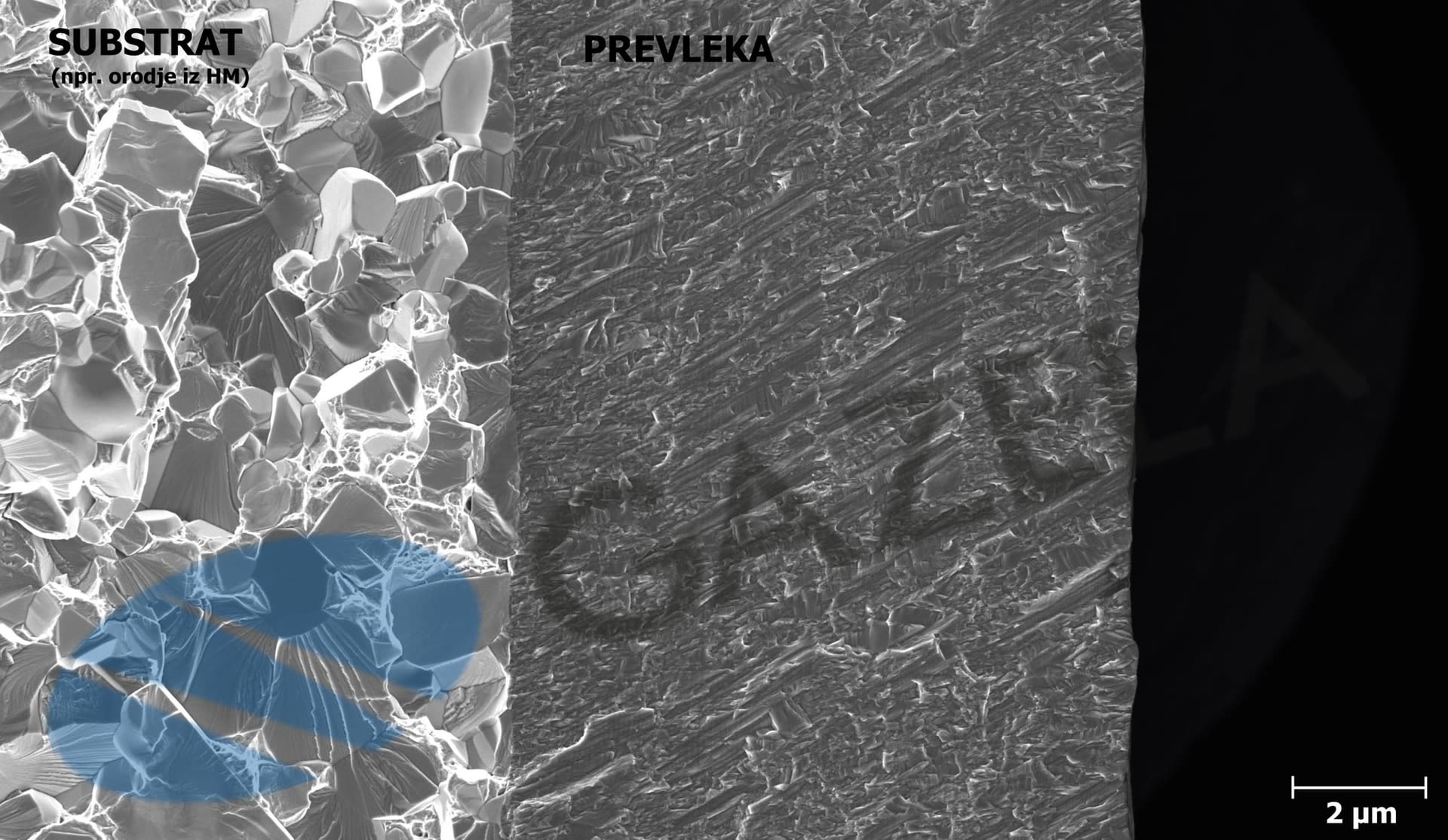
PVD is short for "Physical Vapor Deposition" and is a method of producing hard coatings from ionising metal vapour. The process takes place in a vacuum chamber where, in the first phase, the chamber and the tools are heated to a specific temperature that depends on the type of coating, the tool and the application. The process can also take place at room temperature, but at a higher temperature (from 200 °C to more than 500 °C) we give the substrate on which the coating is deposited a higher energy level, which results in better adhesion and coating structure.
The two most common technologies for depositing PVD hard coatings are cathodic arc evaporation and magnetron sputtering. PVD deposition methods are atomic in nature, and the coating is formed from individual atoms or small clusters. The main parameters that affect the structure and quality of the deposited coating are the cathode material, the working and reactive gases, the kinetic energy of the particles, and the temperature and cleanliness of the substrate surface.
PVD coatings in brief
Magnetron sputtering and the ARC process
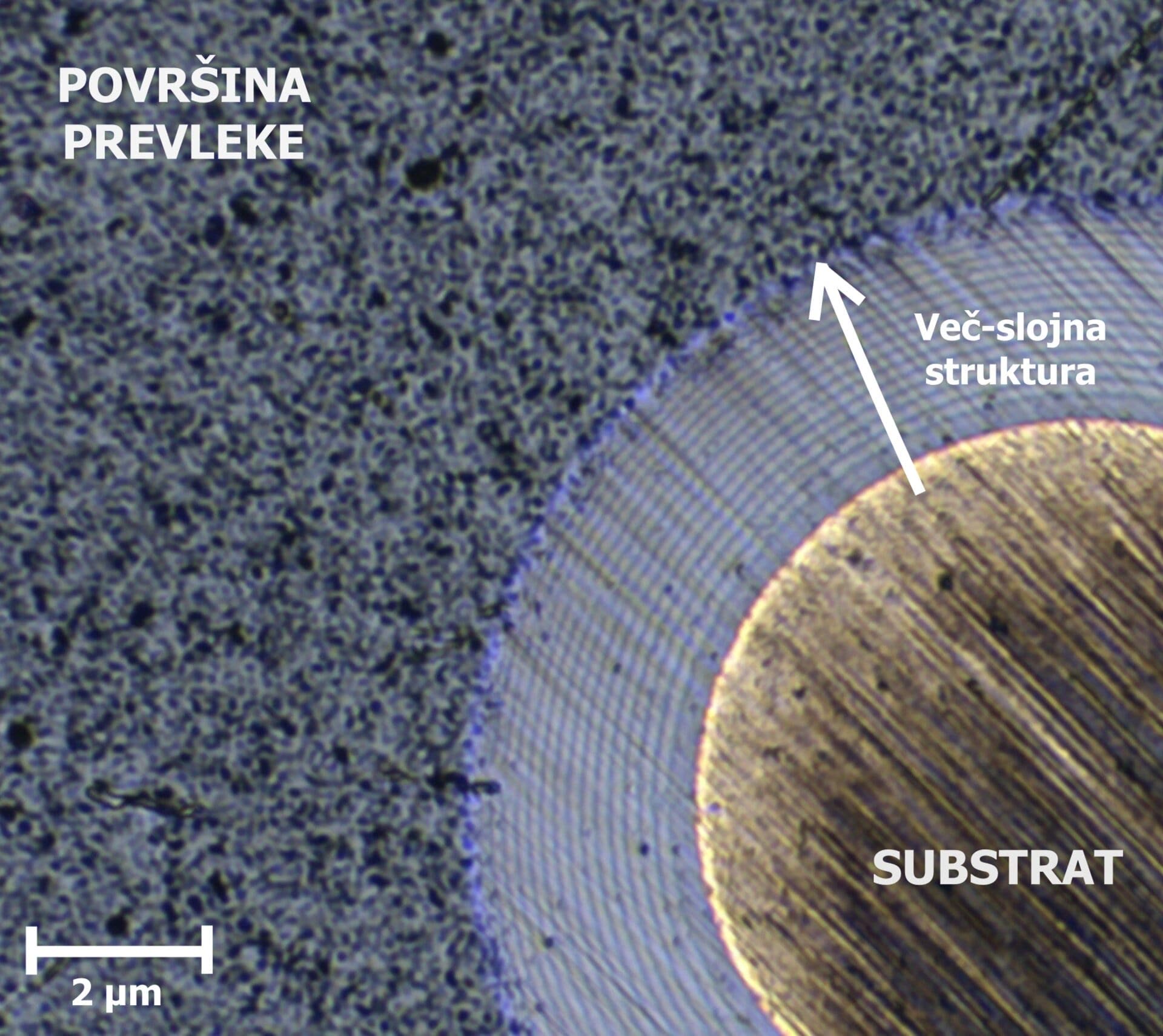
The magnetron sputtering process takes place at a lower pressure (5 mPa) than the ARC process, and as a result the coating roughness achieved with this process is lower. Sputtering requires a large proportion of working – inert – gas (argon or krypton). The molecules of this gas collide at high speed with the target of the material on the cathode that we want to evaporate, creating ions of this material (e.g. Ti+). In the chamber these ions bond with a reactive gas (e.g. N2 or C2 or O2, etc.) and form a ceramic layer of hard coating (e.g. TiN) on the surface of the tool.
The other deposition method is the ARC process, in which, unlike the sputtering method described above, the cathode is eroded by melting and vaporising solid and molten particles. This happens on very small areas of the cathode, only a few micrometres in size, where a current of extremely high energy density flows for a very short time. With high-quality cooling of the cathode through its core, material from the cathode can pass continuously into vapour at these points without the whole cathode melting. The cathode tracks move quickly and randomly across the cathode surface, so the cathode wears evenly over almost its entire surface, and consequently the resulting coating layer on the tool has an even thickness and structure.
How we ensure quality at Gazela
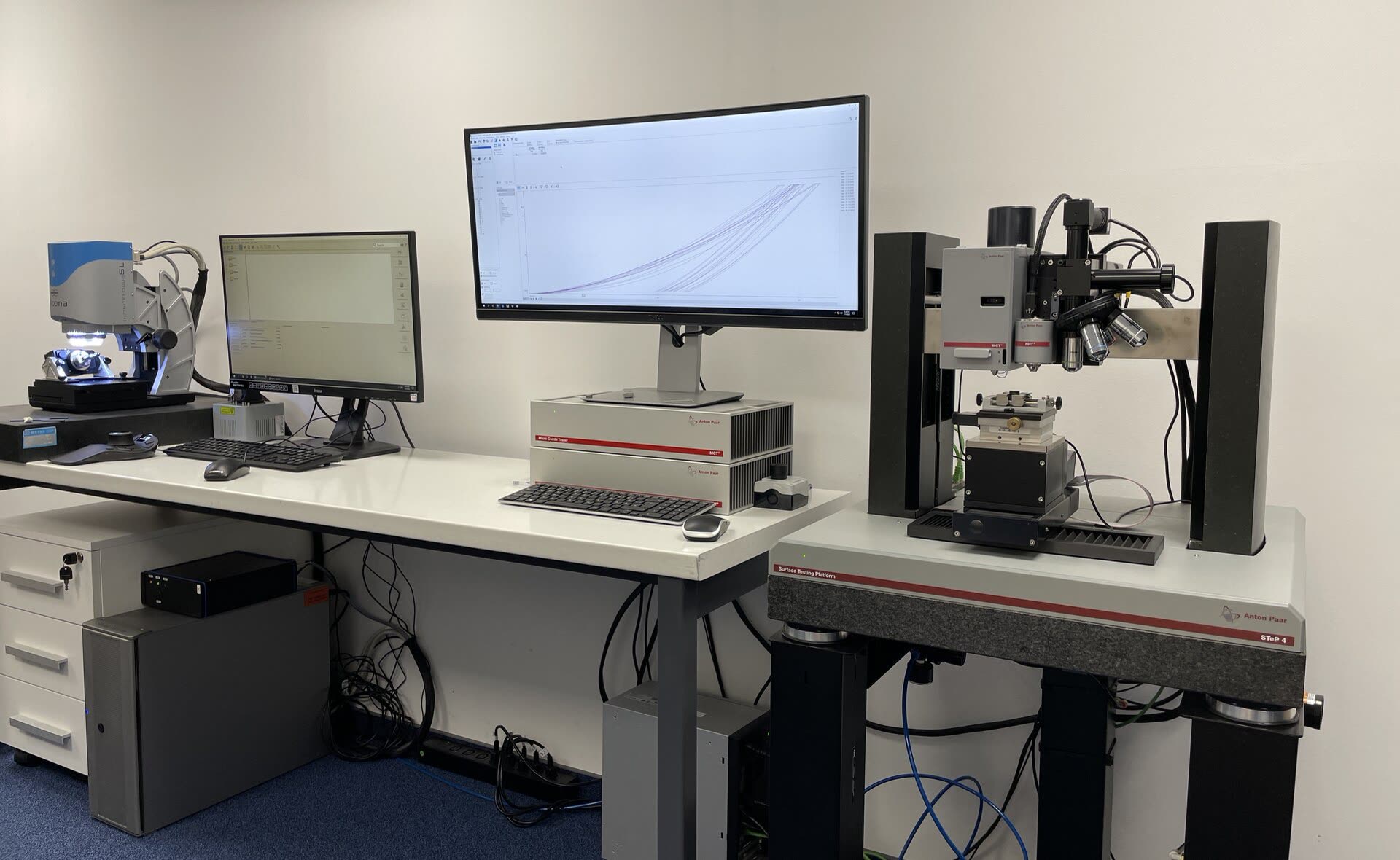
In addition to the standard measurements of coating thickness and adhesion, the laboratory is also equipped with an instrument for measuring the hardness of thin layers – a nanoindenter, which in the case of coatings penetrates only ~ 100 nm deep – an instrument for the analytical measurement of adhesion – a scratch tester – an instrument for tribological measurements of the coefficient of friction and wear, a confocal microscope for surface analysis, and other instruments.
Instruments in the laboratory
- Thickness gauge
- Rockwell indenter for determining adhesion according to the HF standard
- Scratch test for adhesion
- Nanohardness tester
- Tester for the coefficient of friction and wear of the coating
- Confocal microscope
- Salt bath for corrosion testing (NSS test)
- Contour measuring instrument
- Colour spectrometer
- Other microscopes and instruments
Process flow
Tool receipt
Incoming inspection
Polishing
Washing
Loading the tool onto the fixture
Coating process in the vacuum chamber
Outgoing inspection
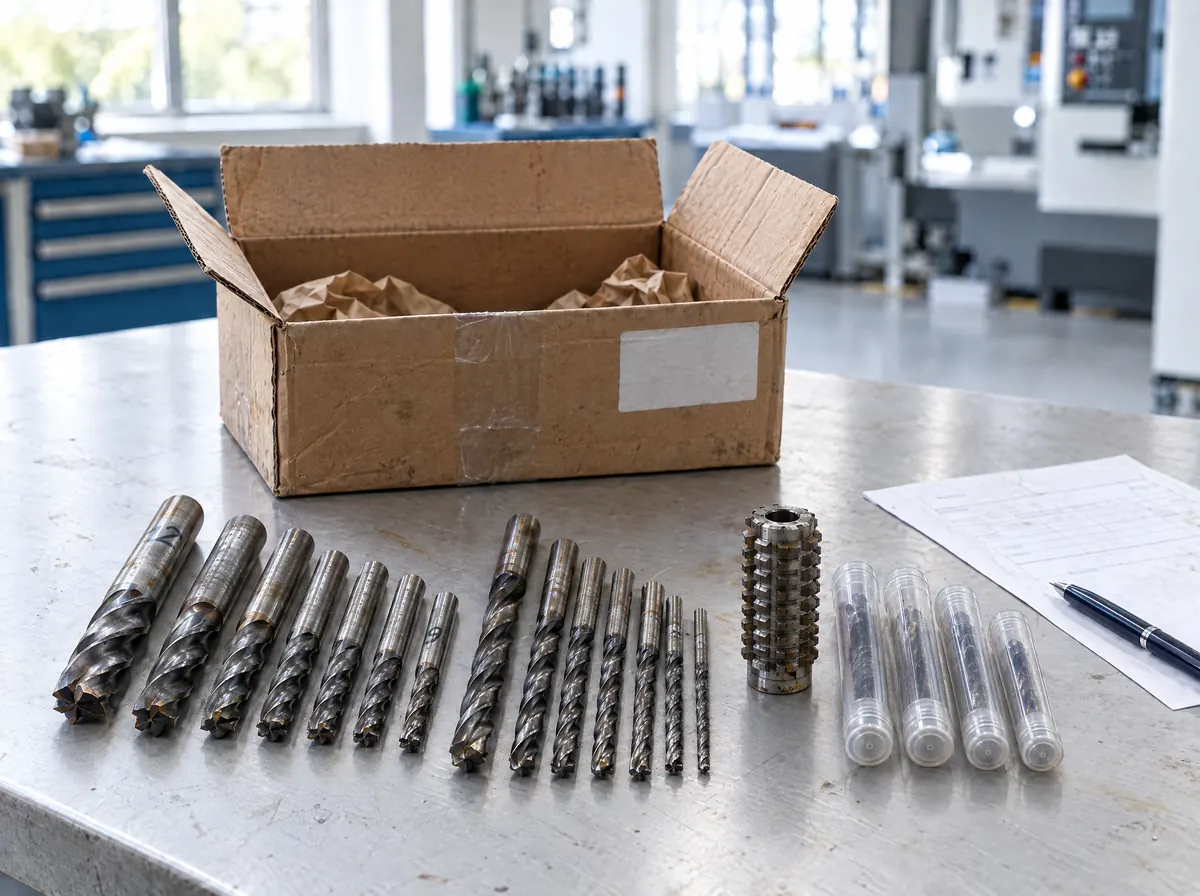
In the vacuum chamber the tools are firmly clamped in standard or dedicated fixtures, in which they also rotate during the process so that their whole circumference is evenly exposed to the ion flow. The tool is not damaged during coating, as PVD technology works at low temperatures and does not cause thermal or mechanical deformation.
The duration of the coating process in PVD technology depends on several factors, including the coating thickness, the type of materials used and the deposition process. In general, the process can take between 6 and 8 hours.
We produce standard coatings almost every day, so you can expect your tool to be delivered 2 to 4 days after we have collected it. If you are on our sales representative's route, we will deliver the tool to you in person.
Preparing the tools
We coat a wide range of materials, including metals, ceramics, glass, Al/Zn alloys and also materials that withstand temperatures of around 180 °C. Before the vacuum process itself, the tools must be cleaned of burnt-on polishing pastes, oils, paints and plastic inserts, and they must be disassembled.
However, it is important that the tools to be coated are properly prepared and cleaned in order to achieve the best adhesion of the coating. Good tempering of the steels after hardening is also important, as otherwise the stresses in the tool are released in the heated chamber and have a negative effect on the adhesion of the coating to the tool surface.
Caring for tools used to make high-quality, high-volume products starts as early as planning the right process steps. Get in touch with us so that together we can determine the most suitable sequence of heat treatments and polishing.