PVD coatings for tools
The right coating changes the performance of your tools. PVD technology brings measurable benefits in durability, efficiency and precision — from cutting to forming.
Configurator
Cutting
Superior, precise cutting
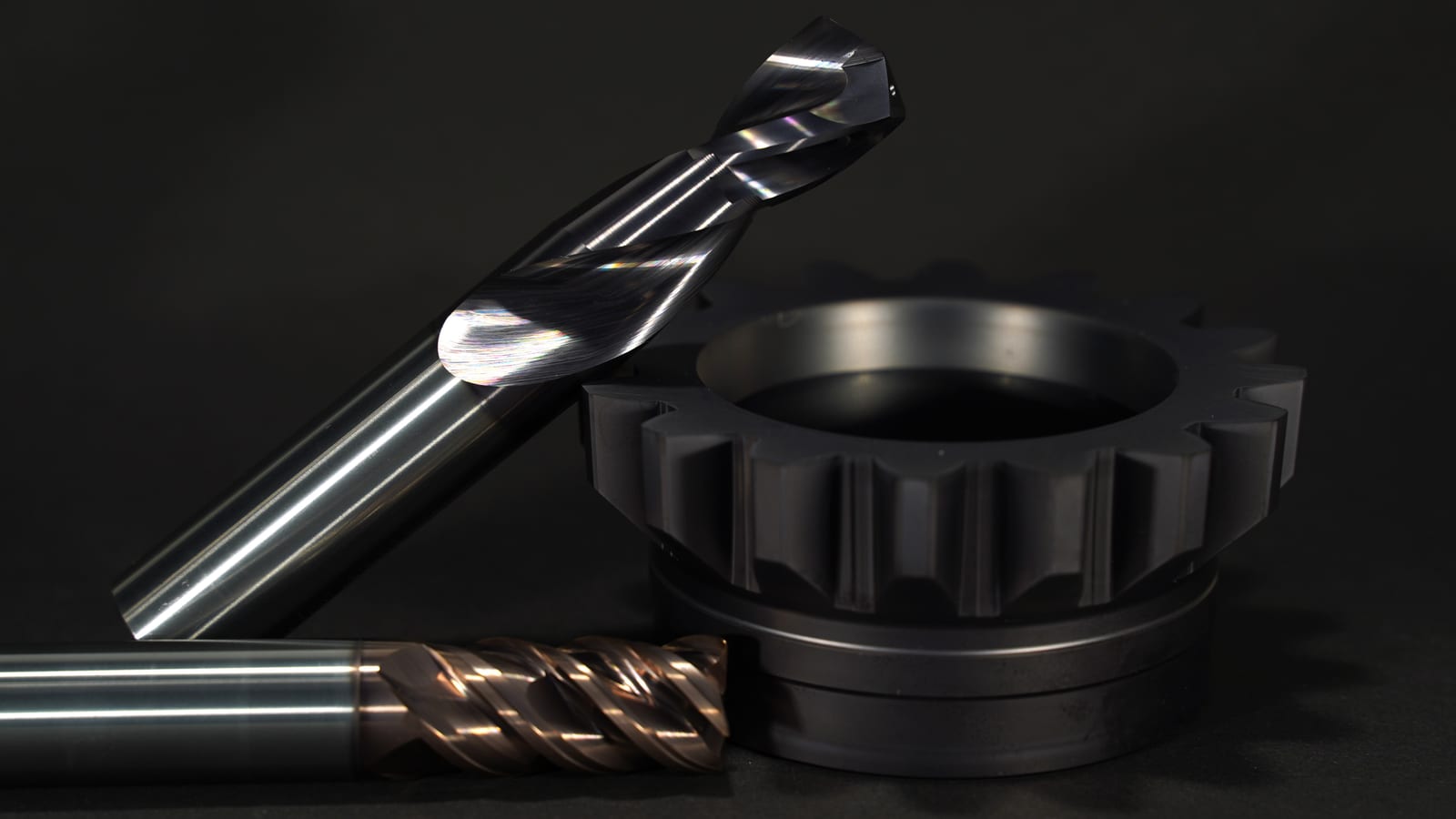
Cutting tools with hard coatings have been a constant in industry for almost 50 years. Today, approximately 85% of all carbide cutting tools are coated. The demand for ever higher productivity of manufacturing processes leads to the development of ever new tool materials and coatings. The development of PVD coatings began with the best-known coating, TiN. The demand for ever better properties later led to the development of coatings based on TiAlN, TiCN and CrN. By adjusting the chemical composition and structure of a coating, its properties are successfully improved. As a result, nanostructured, multi-component PVD coatings became established on the market extremely quickly. The demand for innovative approaches to cutting tools will remain in the future, and this includes the development of new, even more effective PVD coatings.
Tribology
Tribological coatings
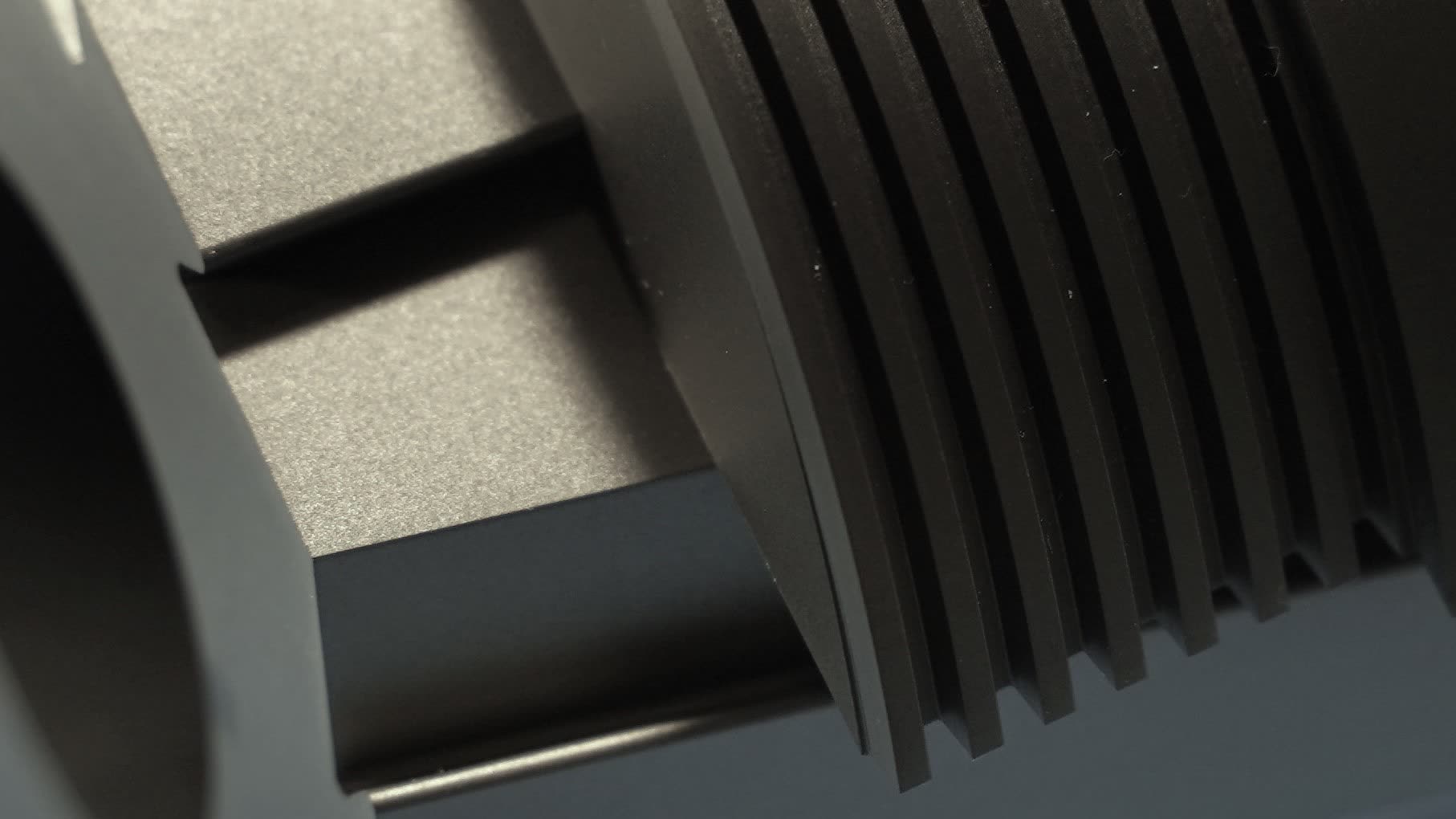
Tribological coatings reduce the coefficient of friction and wear on machine parts and components. We use them where sliding and lubrication are key to the service life of the assembly.
Injection moulding and die casting
Longer tool life
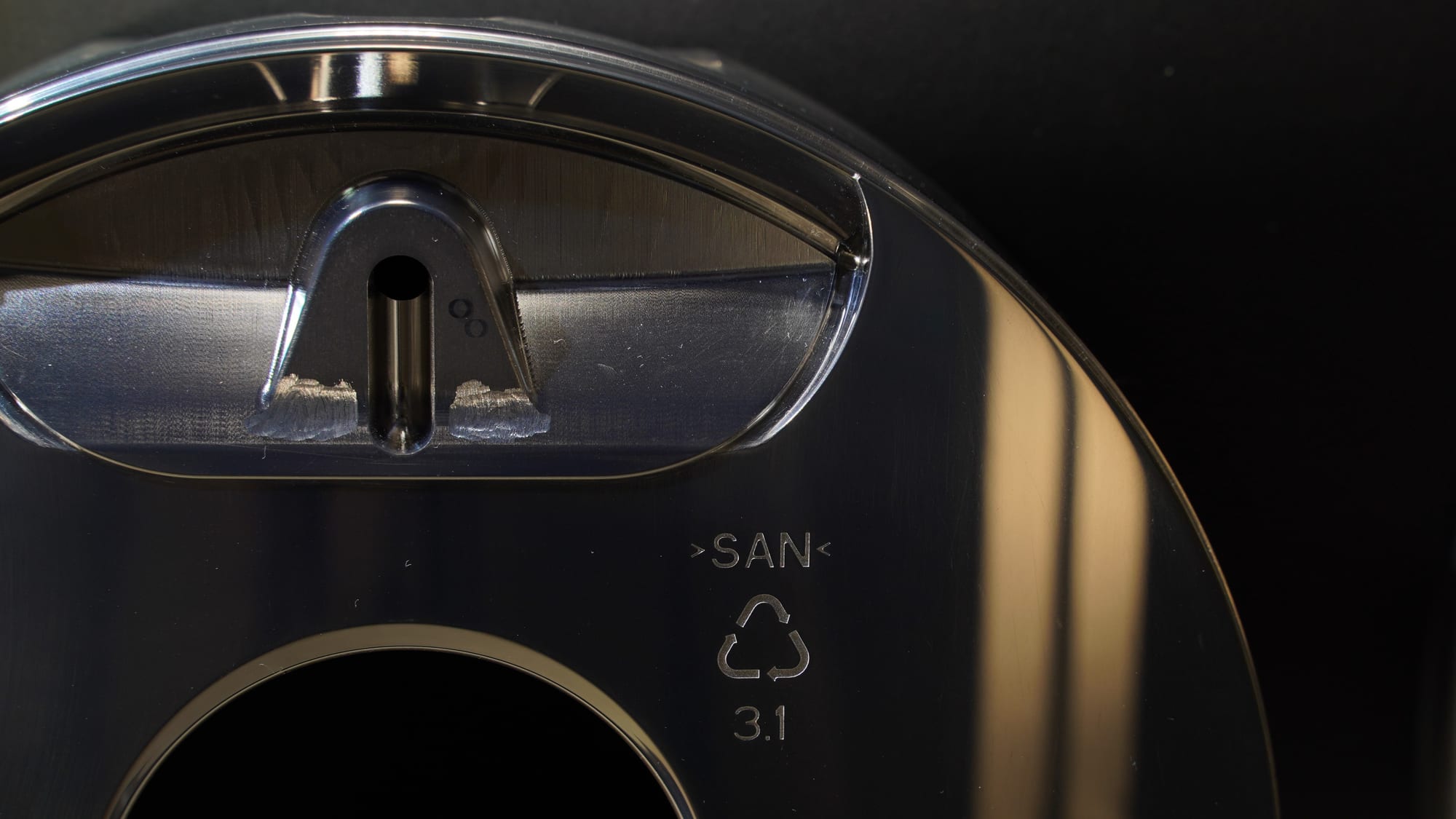
We often use PVD coatings on tools for plastic injection moulding and aluminium die casting to improve the functionality and service life of the tools. We apply a thin, hard and wear-resistant layer to the tool parts, with the following benefits:
Forming
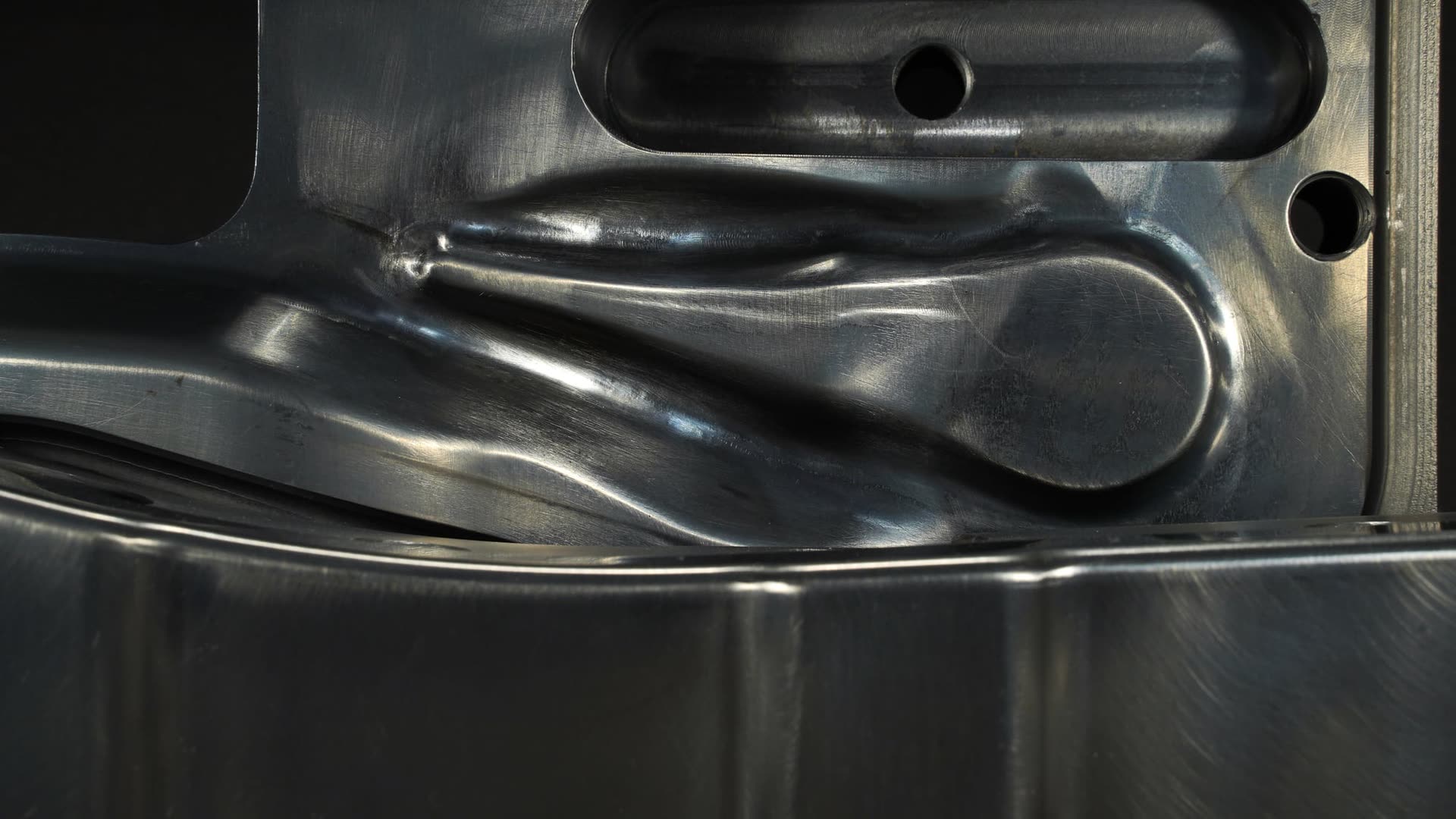
Coatings for forming tools
Unlike cutting tools, most forming tools are still uncoated. The main reason for this is the larger size and complex shapes of forming tools, which can make it a challenge to ensure good adhesion between the substrate and the PVD coating. Nevertheless, coating deposition methods and coating types with excellent tribological properties have recently become established, which significantly improve the adhesive (forming of aluminium alloys and stainless steel) and abrasive (high-strength steels) wear resistance of forming tools.